


Android or iPhone: which smartphone suits you better?

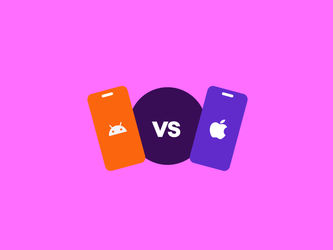
It's an eternal debate: Android or iPhone. Maybe you've had an iPhone for years and an Android phone is starting to tempt you. Or maybe it's the other way around: you're thinking about switching to Apple. But what are the actual differences between the world's two biggest operating systems? And which one suits you best? We'll take you through it step by step.
What's the difference between Android and iPhone?
The biggest difference is in the operating system. Android runs on phones from various manufacturers, such as Samsung , Google Pixel , Fairphone , OPPO , and Motorola . iPhones use their own iOS, developed by Apple.
Android offers more freedom to customize your phone, while iOS is known for its ease of use and security. So it's mainly a matter of personal preference.
Android vs. iOS: the basics
The two operating systems have the same goal: to let you call, message, take photos, and browse easily. But the way they do it differs quite a bit.
- Android is an open system from Google, found on thousands of devices.
- iOS is Apple's closed system, available only on iPhones.
- Android lets you personalize more, while iOS is more stable and simpler.
- Both have their own app stores: the Google Play Store and the Apple App Store.
Ease of use and design
- iPhones excel in simplicity. The Apple iOS interface is clear, intuitive, and feels familiar to many people right away.
- Android gives you more control over the look and feel of your phone. You can add more widgets, place shortcuts, and fully customize your home screen.
In short, iOS is ideal if you want a phone that just always works. Android is perfect if you like tinkering and personalizing.
Price and choice of phones
- Android has one big advantage: choice. There are hundreds of Android phones, from budget to high-end. So there's always a phone that fits your budget.
- With Apple, it's different. New iPhones are often more expensive, but you know exactly what you get: premium materials, a strong operating system, and years of software updates.
Tip: want Apple quality without paying the new price? Take a look at a refurbished iPhone . It's a sustainable option that's easy on your wallet.
Privacy and security
- Apple scores points here. iPhones are end-to-end encrypted by default, and Apple checks every app before it appears in the App Store. That keeps the risk of malware or data leaks to a minimum.
- Android is a bit more open. That means more freedom to customize the system, but also more risk. Luckily, you can protect yourself well by only downloading apps from the Google Play Store and keeping your phone up to date.
Both systems receive regular security updates, but Apple usually offers them for longer, up to five years after release.
Personalization and apps
- Android gives you all the freedom. You can change the theme, for example.
- With iPhone, customization is more limited, but that keeps everything sleek and consistent. The Apple App Store also has slightly stricter rules, which usually makes apps safer.
Do you use a lot of Google services like Gmail, Drive, and Maps? Then you'll feel right at home with Android.
Updates and lifespan
A phone's lifespan depends heavily on its software updates. Apple usually offers 5 to 6 years of updates on its iPhones. Android phones vary widely here, but brands like Samsung and Google Pixel now also promise 4 to 7 years of updates for their high-end models.
Still, the rule is: the longer the support, the safer your smartphone stays. An older phone without updates is more vulnerable to hackers and bad actors. Good news for everyone: from 11 December 2027, all manufacturers must comply with the European Commission's Cyber Resilience Act. One of the requirements in that law is that phones receive at least 5 years of security updates.
Camera and performance
Both platforms have impressive cameras. iPhones are known for their natural colors and user-friendly camera app. Android phones often offer more settings and AI options, for example, through Samsung Galaxy or Google Pixel.
Looking for the best photos without effort? Get an iPhone. Want to play with settings, filters, and AI features? Then Android is your best option.
Software and speed
- Apple builds both the hardware and the software itself. That means everything works together smoothly, and an Apple iPhone will still feel fast after years of use.
- Android depends on different manufacturers, so performance can vary by brand. But in the high-end segment, think the Samsung Galaxy S series or the Google Pixel, an Android phone is certainly no less capable than an iPhone.
Ecosystem and integration
- Apple has its own closed ecosystem. If you use multiple Apple products, like a MacBook or Apple Watch, they work together seamlessly.
- Android offers that integration too, but across more different brands. Through your Google account, you can sync everything: from your calendar to your photos.
Good to know: Android works perfectly with Windows, while iPhone syncs better with macOS.
App Store or Play Store: which is better?
- Apple's App Store has fewer apps, but they're checked more strictly. That reduces the risk of fake apps or malware.
- The Google Play Store has a larger selection, including more free apps. You can also download apps outside the store, which is handy, but note: this also comes with more risk.
Want freedom and choice? Choose Android. Want certainty and security? Then an iPhone suits you better.
Security and updates
An important difference between Android and iOS is how they handle security. Apple rolls out updates for all iPhones at the same time, while Android updates differ by manufacturer.
- In recent years, Android has made big strides here, with automatic software updates and monthly patches.
- Thanks to it's closed system and the extra security updates, iPhones remain a bit stronger in this area.
The biggest differences at a glance
|
Feature |
Android |
iPhone |
|
Operating system |
Google Android |
Apple iOS |
|
Personalization |
Very extensive |
Limited |
|
Privacy |
Good, set it yourself |
Very strong by default |
|
App Store |
Google Play Store |
Apple App Store |
|
Updates |
4 to 7 years, depending on brand |
5 to 6 years by default |
|
Camera |
Lots of settings |
Natural photos |
|
Ease of use |
Many options |
Simple and intuitive |
iOS or Android: which suits you?
Choose iOS if you like simplicity, privacy, and reliability. Choose Android if you value freedom, personalization, and a wider price range.
Whether you go for the newest iPhone or one of the many Android phones, the most important thing is that the operating system fits the way you use it.
Choose Android if…
- You like to customize your phone with widgets and themes.
- You don't want to pay too much for a new smartphone.
- You like having a choice of different manufacturers and models.
Choose iPhone if…
- You already use other Apple products.
- Privacy and security matter most to you.
- You want your phone to receive software updates for years.
Whichever side you choose, with a Simyo plan your smartphone always runs on the reliable KPN network. There's no universal answer to the question "Which is better: Android or iPhone?" It depends on your needs, budget, and preferences.
Whether you choose Google Android or Apple iOS, with a Simyo plan, you get the most out of your phone. It's smart, secure, and affordable. Go for a subscription with an Android phone or iPhone , or choose Sim Only if you'd rather buy your phone separately.
Questions? We've got answers
Which is better: Android or iPhone?
Which is better: Android or iPhone?
That depends on what matters to you. iPhones excel in ease of use and security, while Android offers more freedom and choice.
What's the difference between Android and iPhone?
What's the difference between Android and iPhone?
Android is from Google and runs on phones from various brands, while iPhone uses Apple's own iOS.
What are the benefits of Android?
What are the benefits of Android?
Lots of choice in phones, a customizable interface, and good integration with Google services.
What are the benefits of an iPhone?
What are the benefits of an iPhone?
Strong security, years of updates, and seamless integration within the Apple ecosystem.
Which phone is safer?
Which phone is safer?
Apple scores better on privacy, thanks to its closed system and strict app checks.
Which is easier to use: Android or iPhone?
Which is easier to use: Android or iPhone?
For beginners: iPhone. For experienced users who like to adjust settings: Android.
Which phone is cheaper?
Which phone is cheaper?
Android has many affordable models, while iPhones usually fall in the higher segment.
Which phone has better cameras?
Which phone has better cameras?
That varies by model, but iPhones are known for their natural colors and Android phones for their versatile settings.
Which suits me better: Android or iPhone?
Which suits me better: Android or iPhone?
Choose Android if you want flexibility, choose iPhone if you're looking for simplicity and security.